

What is Midwifery Care? Understanding the Role of Midwives
Midwifery care, with its rich history spanning thousands of years, stands as a pillar of support for women during the transformative journey of childbirth. On this International Day of the Midwife, let’s delve into the importance of accessible midwifery services and the positive impact they have on maternal and infant health.

As we celebrate the International Day of the Midwife, it’s important to recognize that midwifery care has a long and rich history, dating back thousands of years. Midwives have been present at the birth of countless babies, offering support and guidance to women and their families during one of life’s most transformative moments. However, despite the many benefits, access to these services remains limited in many parts of the world.
International Midwifery Day Theme
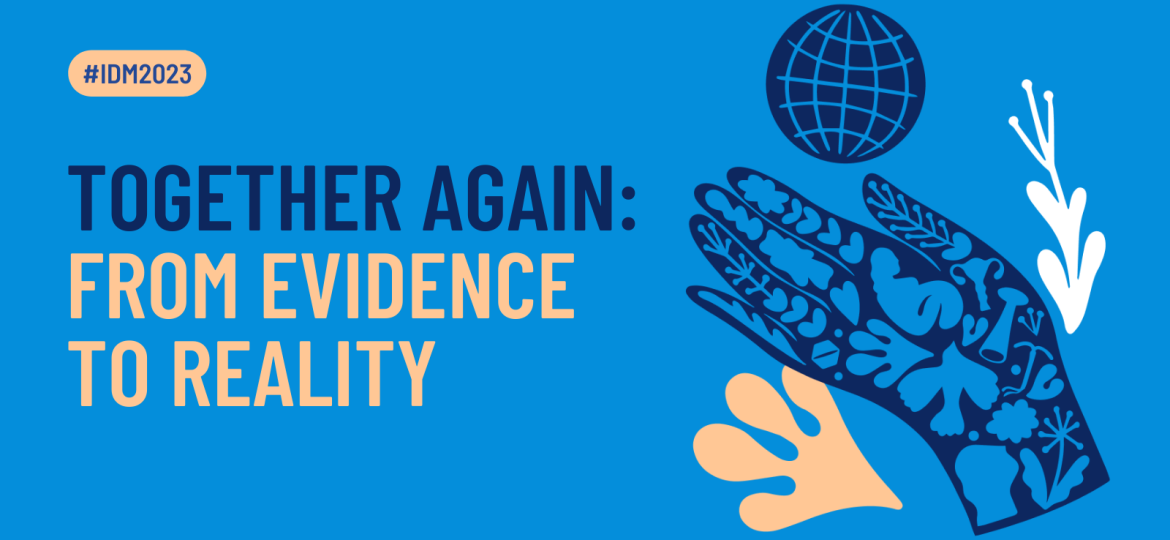
This year’s theme, “Together again: from evidence to reality,” highlights the importance of working collaboratively to ensure that midwifery care is accessible to all women, regardless of where they live or their socio-economic status. This means acknowledging the evidence that demonstrates the effectiveness of midwifery care, and working to translate this evidence into tangible actions that improve access to midwifery services. Now one of the key benefits is its focus on a woman-centered approach. Midwives work with women to develop a personalized care plan that takes into account their unique needs and preferences. This approach has been shown to lead to better health outcomes for both women and their babies, including lower rates of cesarean sections, higher rates of breastfeeding, and improved maternal and infant health.
Overview of Midwifery Care
Despite this evidence, many women still do not have access to midwifery care. In some cases, midwifery services may not be available in their community, while in other cases, women may not be aware of the benefits of midwifery care. This highlights the need for increased education and awareness-raising efforts to ensure that women are informed about their options for care.

There are also a number of systemic barriers that limit access to midwifery care. These can include a lack of funding for midwifery programs, limited professional development opportunities for midwives, and inadequate policies and regulations. Addressing these barriers requires a coordinated effort from governments, healthcare providers, and other stakeholders.
In order to ensure that care is accessible to all women, we need to work together to translate evidence into action. This means investing in midwifery education and training, increasing awareness of the benefits of midwifery care, and advocating for policies and regulations that support midwifery practice.
On this International Day of the Midwife, let’s celebrate the important contributions that midwives make to maternal and infant health. Let’s also commit to working together to ensure that care is accessible to all women, regardless of their background or circumstances. By working together, we can translate evidence into reality and ensure that every woman has access to the care she needs to have a healthy pregnancy and childbirth experience.
Disclaimer: The information provided in this content is for general informational purposes only. It is not intended as medical or healthcare advice, diagnosis, or treatment. Always seek the advice of a qualified healthcare professional with any questions you may have regarding a medical condition or healthcare decisions.
